





.png?locale=en)




Alsharq Tribune-Otaify
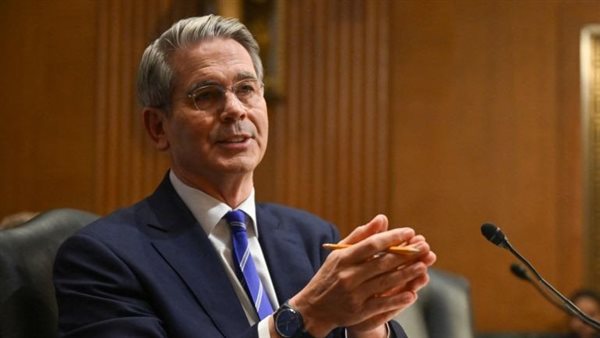
U.S. Treasury Secretary Scott Bessent said on Wednesday that oil-rich U.S. allies in the Gulf have requested currency swap lines from the United States amid economic turbulence caused by the war in the Middle East.
"Many of our Gulf allies have requested swap lines," Bessent said at a Senate Appropriations subcommittee budget hearing, where he was testifying on the Treasury Department's budget for fiscal 2027.
He said such arrangements, whether provided by the Federal Reserve or the Treasury, are intended to maintain stability in dollar funding markets and prevent disorderly sales of U.S. assets.
Bessent said that a swap line could benefit both the United States and the United Arab Emirates (UAE) and that other countries, including some in Asia, have also made similar requests.
The requests come as the regional conflict has disrupted economic activity in the Gulf. The closure of the Strait of Hormuz has further constrained oil revenues.
Currency swap lines would provide dollar liquidity to partner countries. Some U.S. media reports have raised concerns about potential domestic economic impacts, including higher consumer costs.
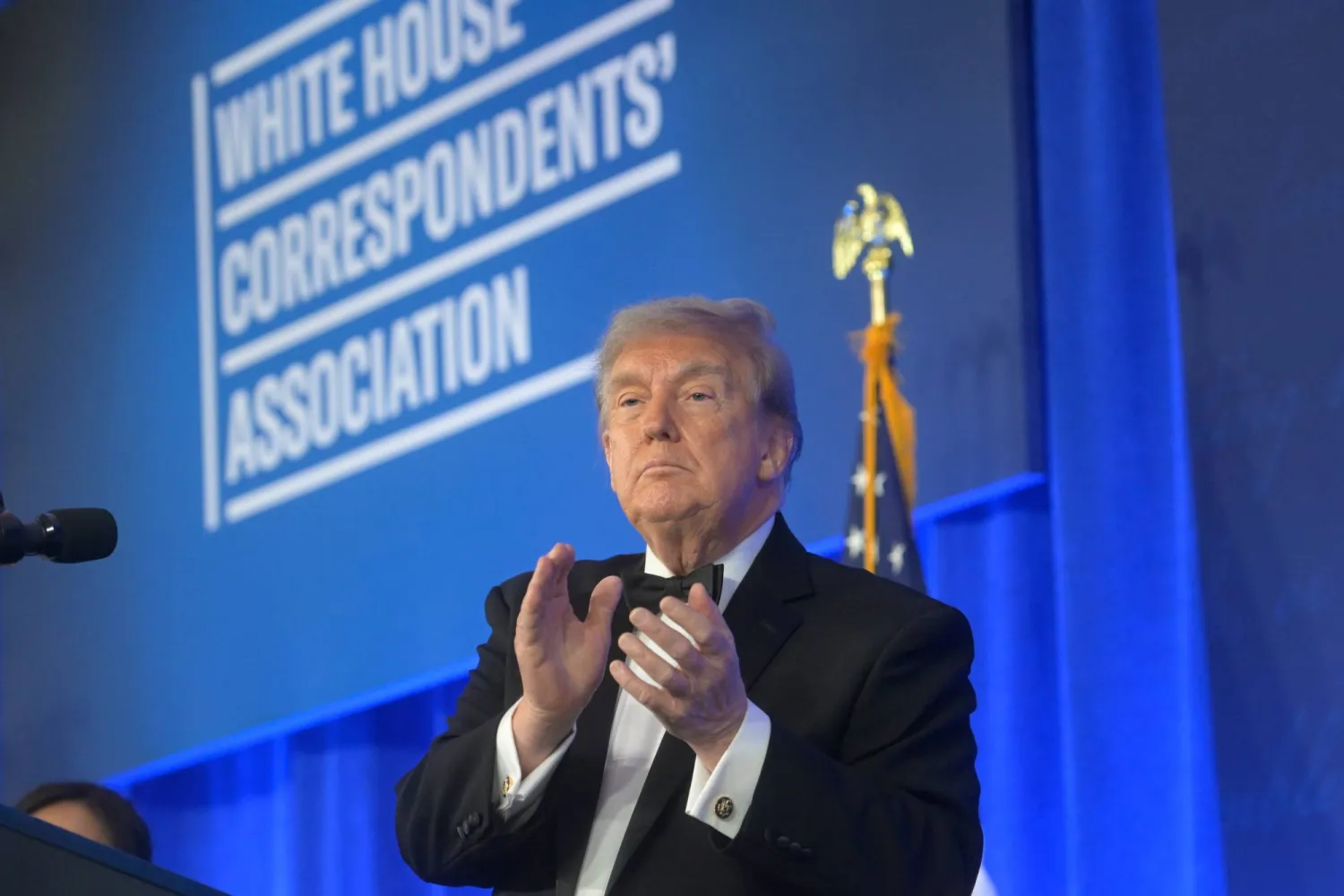
In an interview with CNBC on Tuesday, U.S. President Donald Trump said he would like to assist the UAE if it's possible.
A Democrat, nevertheless, noted recent reporting on the UAE-U.S. relationship at the hearing, including reported investments from the Gulf nation's government in the Trump family's business.