






.png?locale=en)






Alsharq Tribune- The Telegraph
Britain’s economic growth in the first three months of the year was partly a “statistical illusion”, analysts have warned.
Doubts were cast over the latest GDP figures on Thursday after the Office for National Statistics (ONS) revealed a sharp increase in growth to 0.6pc between January and March, up from 0.1pc in the previous quarter.
Economists highlighted how this has followed a similar pattern since 2022, as growth in the first quarter of each year has performed strongly before falling away.
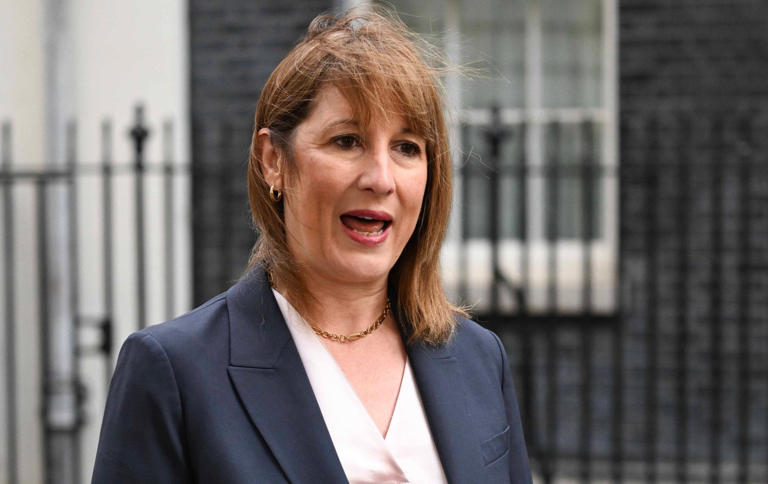
In recent years, the ONS has blamed this on volatility caused by uncertainty surrounding Rachel Reeves’s last two Budgets.
The statistics body said increased activity in the first three months was down to investment rebounding in the wake of the Chancellor’s tax raids. However.
Andrew Wishart, senior UK economist at Berenberg, said: “The UK economy’s strong start to the year was probably part truth, part statistical illusion.” This echoes concerns by Morgan Stanley, which suspected that issues with the ONS’s “seasonality adjustment processes” were skewing the data.
The Wall Street bank thinks growth was closer to 0.2pc, rather than the 0.6pc signalled by the statistics body.
The scrutiny is likely to raise concerns within the Treasury after Rachel Reeves said the GDP figures proved that the economy “is in a stronger position as we deal with the costs of the war in Iran”.
Bruna Skarica, chief UK economist at Morgan Stanley, said: “It is important to highlight that even the underlying momentum in the UK economy picked up in the first quarter, following what was an exceptionally weak second half of 2025.
“One should not entirely dismiss the GDP data. However, such a severe disconnect between the hard and the soft data, and the seasonal pattern we’ve seen for four years, do mean the leap in activity was probably not quite as sharp as the ONS suggests.
” James Benford, director general for the ONS’s economic, social and environmental statistics, said “there are a range of factors that may be causing the pattern of activity over the course of the year to change”.
He added: “In our GDP release in January this year – which covered November data – we reported that some firms had anecdotally told us that, similar to the year before, one reason why their turnover was weaker was because firms and households had been waiting for the autumn Budget before making significant financial decisions.”