



.png?locale=en)

Alsharq Tribune- World News
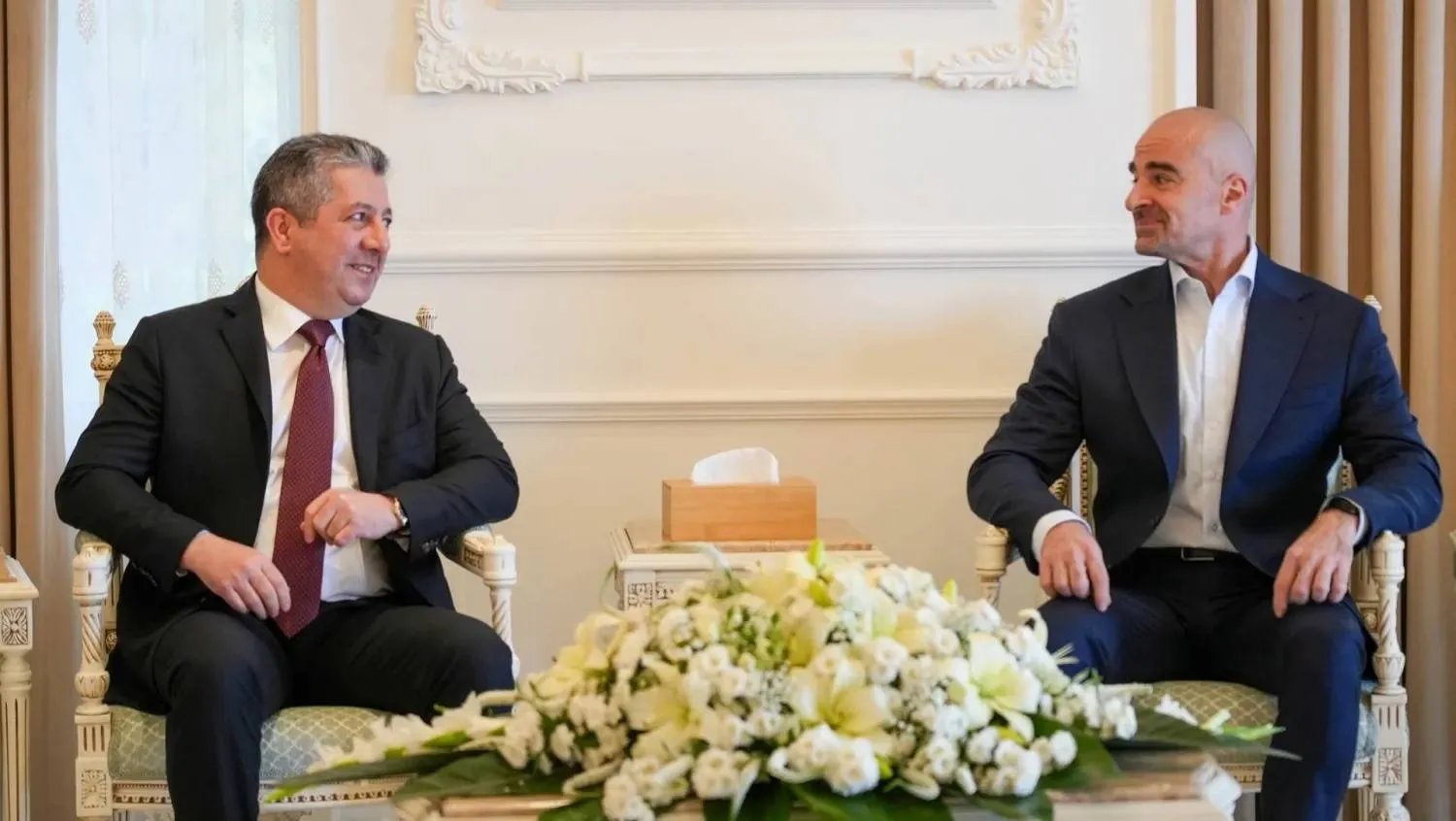
Nearly two years after elections for Iraq’s Kurdistan Region parliament, the winning Kurdish parties have yet to convene the legislature, elect a speaker, or form a new government.
Had that process moved forward, it would have produced a fully empowered cabinet to replace Prime Minister Masrour Barzani’s administration, which has been serving in a caretaker capacity since before the October 2024 regional elections.
In May 2023, Iraq’s Federal Supreme Court, which rules on constitutional disputes, declared the extension of the Kurdistan parliament unconstitutional and ruled that Barzani’s cabinet should be considered a caretaker government.
With the political stalemate showing no sign of easing, a senior figure in the Patriotic Union of Kurdistan (PUK) warned that the region could drift toward “two officially separate administrations.”
Speaking to news and media on condition of anonymity, the official said Kurdistan already operates under a dual administrative system in practice, but warned that the arrangement could become formal if Kurdish parties remain unable to agree on a new government.
The Kurdistan Region effectively had two separate administrations from the mid-1990s until 2006, following armed conflict between the Kurdistan Democratic Party (KDP) and the PUK.
The KDP governed from Erbil and Duhok, while the PUK administered Sulaymaniyah, with separate governments, security forces, and financial institutions.
The split officially ended in 2006 with the formation of a unified Kurdistan Regional Government after years of political negotiations following the 1998 Washington Agreement, although both parties retained strong influence in their traditional strongholds.
The PUK official blamed the KDP for delaying government formation, saying it “wants everything” and is unwilling to relinquish key government positions to other parties.
The two dominant Kurdish parties have repeatedly traded blame for the prolonged political paralysis. A senior KDP official previously told the media that continued failure to form a government could ultimately force the region to hold fresh elections.
According to politicians and activists, the rival bloc — which includes the PUK and the New Generation Movement — is demanding the premiership and an equal share of senior government positions.
The PUK official acknowledged that a return to separate administrations would undermine the region’s future but said the party remains prepared to make concessions to preserve Kurdistan’s unity.
He also pointed to a recent meeting between PUK leader Bafel Talabani and the party’s parliamentary bloc, during which Talabani stressed that the PUK is not obstructing the formation of a new cabinet and supports accelerating the process.
However, comments from other senior PUK figures have raised concerns.
Yousif Goran, a member of the party’s political bureau and head of its research center, wrote on the party’s official website that the long-term viability of the Kurdistan Region “in its current form” is increasingly in doubt because of internal political dysfunction and shifting regional and international dynamics.
He added that the region has not experienced such deep political polarization since the administrations were unified in 2006 and argued that meaningful political change is now essential.
He also warned that Iraqi Kurdistan no longer enjoys the level of international backing it received after 1991, when it effectively separated from Baghdad’s control.
Meanwhile, Kifah Mahmoud, media adviser to KDP leader Masoud Barzani, dismissed talk of separate administrations as “political suicide” that would endanger the region’s highest interests.
He described such proposals as part of broader efforts to undermine the Kurdistan Region and its federal model, insisting that parliament is the proper forum for resolving political disputes.
Mahmoud also said early elections remain one option for breaking the deadlock, while arguing that the PUK’s alliance with the New Generation Movement should have been formed before, rather than after, the regional elections.