





.png?locale=en)


Alsharq Tribune- M.Essam
The International Monetary Fund said that the economic impact of the ongoing conflict on Gulf Cooperation Council (GCC) states will depend on its duration, scope and intensity, with strong financial buffers and export flexibility expected to limit the fallout.
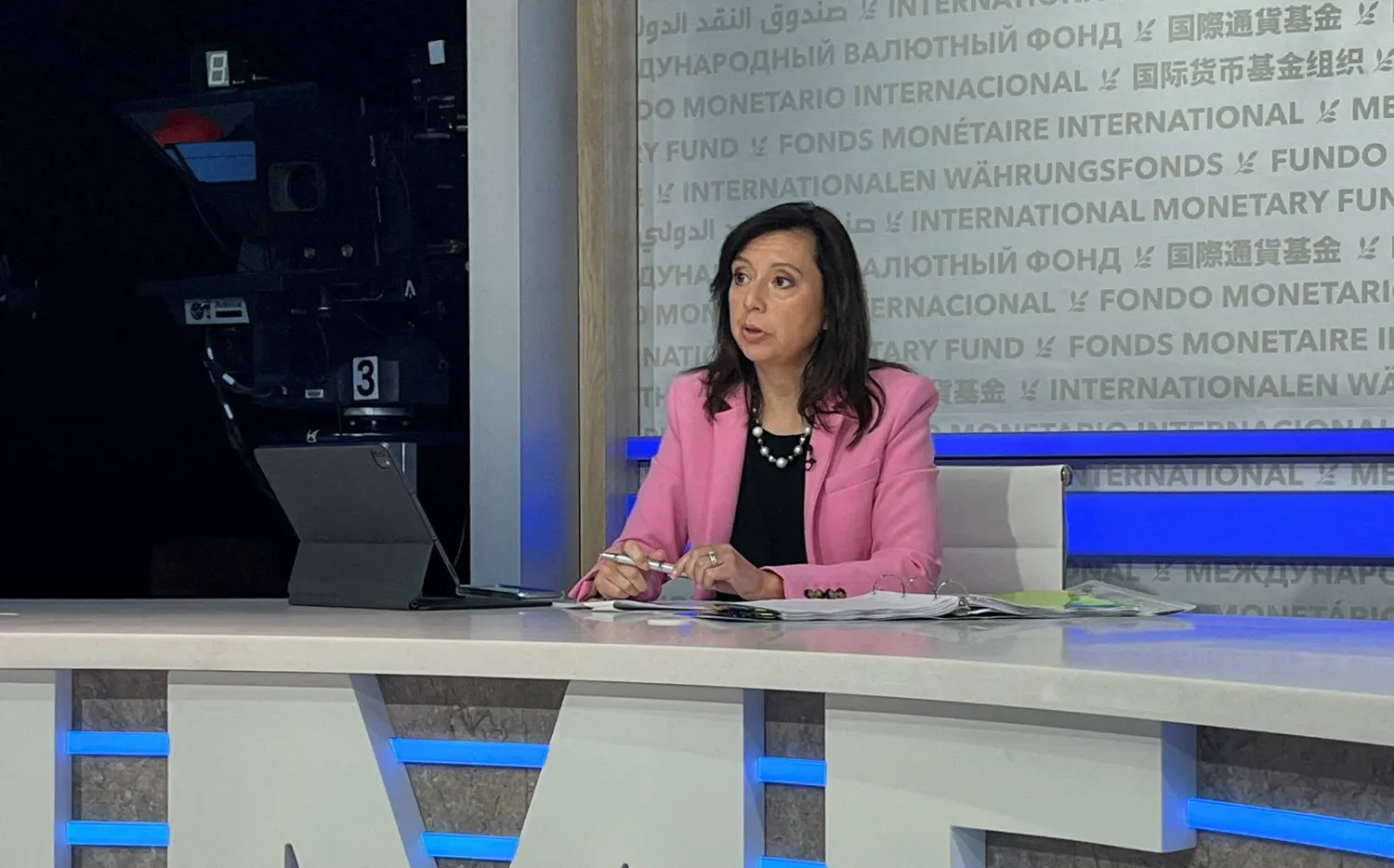
IMF spokeswoman Julie Kozack noted that outcomes will vary by country, largely depending on geographic location and the ability to resume exports.
She explained that higher oil prices could help some countries offset production losses either partially or fully, depending on how quickly export flows recover. She pointed to the Gulf’s substantial sovereign buffers and solid economic foundations, built through years of structural reforms aimed at diversifying income and strengthening logistics infrastructure.
These measures have improved the region’s resilience to external shocks.
The IMF’s assessment broadly aligns with recent analysis by ratings agency Standard & Poor’s, which highlighted Saudi Arabia’s East–West pipeline as a strategic alternative export route that reduces reliance on key maritime chokepoints.
Elevated oil prices may also compensate for declining output, while the region’s large financial reserves are expected to support a swift recovery once the conflict subsides.
Kozack also highlighted pressure on regional financial markets, with Gulf stock indices declining and bond spreads widening in line with global volatility driven by inflation concerns and rising geopolitical risks.
Economists broadly view the region’s ample financial assets and foreign reserves as a buffer that will support a quicker rebound.
Lessons from past energy crises have also helped Gulf states develop more flexible financial and logistics systems.
Standard & Poor’s recently underscored Saudi Arabia’s strong fiscal position and stable credit rating, citing substantial financial buffers and prudent policies.
It also noted that alternative export routes such as the East–West pipeline allow the Kingdom to bypass the Strait of Hormuz, reducing risks to trade and growth.