






.png?locale=en)




Alsharq Tribune- M.Essam
Iran escalated its military operations in the region on Wednesday, targeting Gulf states and oil tankers in regional waters in attacks widely seen as a direct threat to energy security and international navigation.
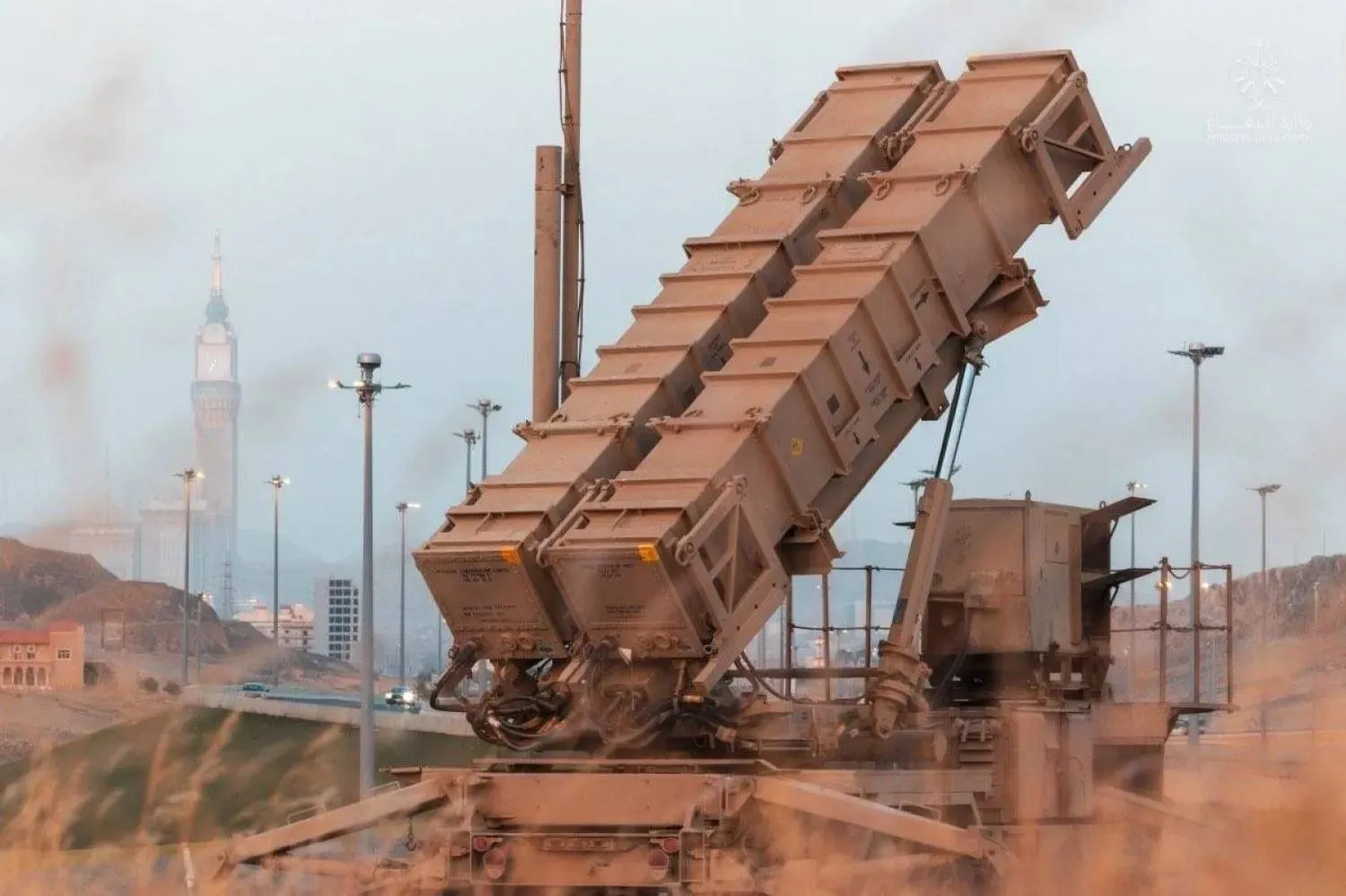
Gulf air defenses intercepted dozens of missiles and drones, with officials stressing a high level of readiness to protect airspace and critical infrastructure while minimizing damage.
Saudi Arabia
Saudi Arabia’s defense ministry spokesman, Brigadier General Turki al-Maliki, said four drones had been intercepted and destroyed in recent hours.
In two separate statements, al-Maliki confirmed the success of the operations, underscoring the armed forces’ readiness to defend the Kingdom’s airspace and counter various threats, with no damage reported.
Riyadh also reiterated its strong condemnation of what it described as “blatant Iranian aggression” against the Kingdom, Arab states and the wider region during the 43rd session of the Council of Arab Interior Ministers, held via videoconference.
Interior Minister Prince Abdulaziz bin Saud stressed the importance of strengthening Arab security cooperation and coordinating efforts to confront evolving threats and combat crime in all its forms to safeguard regional stability.
Kuwait
A drone attack by Iran and allied groups targeting fuel tanks at the Kuwait International Airport triggered a large fire on Wednesday but caused no casualties.
Kuwait News Agency quoted civil aviation spokesman Abdullah al-Rajhi as saying rescue teams responded immediately, with initial reports indicating material damage to facilities operated by Kuwait Aviation Fueling Company (KAFCO).
Britain affirmed its support for Kuwait’s security amid the current situation, pledging to stand by the country against any threats to its sovereignty, stability and safety.
The message was conveyed from King Charles III to Kuwait’s emir, Sheikh Mishal al-Ahmad al-Jaber al-Sabah, and delivered by British ambassador Qudsi Rasheed to Minister of Amiri Diwan Affairs Sheikh Hamad Jaber al-Ali al-Sabah.
Bahrain
Bahrain’s Defense Force said it intercepted and destroyed four ballistic missiles and 19 drones in recent hours.
The General Command added that since the start of the Iranian attacks, 186 missiles and 419 drones had been intercepted. It said the use of such weapons against civilian sites and private property constitute a “flagrant violation” of international humanitarian law and the UN Charter and pose a direct threat to regional peace and security.
The interior ministry said firefighters had extinguished a blaze at a company facility caused by what it described as Iranian aggression.
Bahrain’s National Communication Center urged the public to follow official guidance, verify information accuracy and avoid spreading rumors amid the ongoing attacks.
United Arab Emirates
The United Arab Emirates said its air defenses intercepted five ballistic missiles and 35 drones launched from Iran. Falling debris from an intercepted drone killed an Asian national on a farm in Fujairah, authorities said.
The victim was identified as a Bangladeshi citizen. The Fujairah government media office said emergency teams responded to the incident in the Al-Rifaa area following the successful interception.
Official figures showed that since the start of the attacks, UAE defenses had dealt with 438 ballistic missiles, 19 cruise missiles and 2,012 drones. The assaults have killed two members of the armed forces while on duty, a Moroccan civilian contractor working with the military, and nine other civilians.
Qatar and maritime incidents
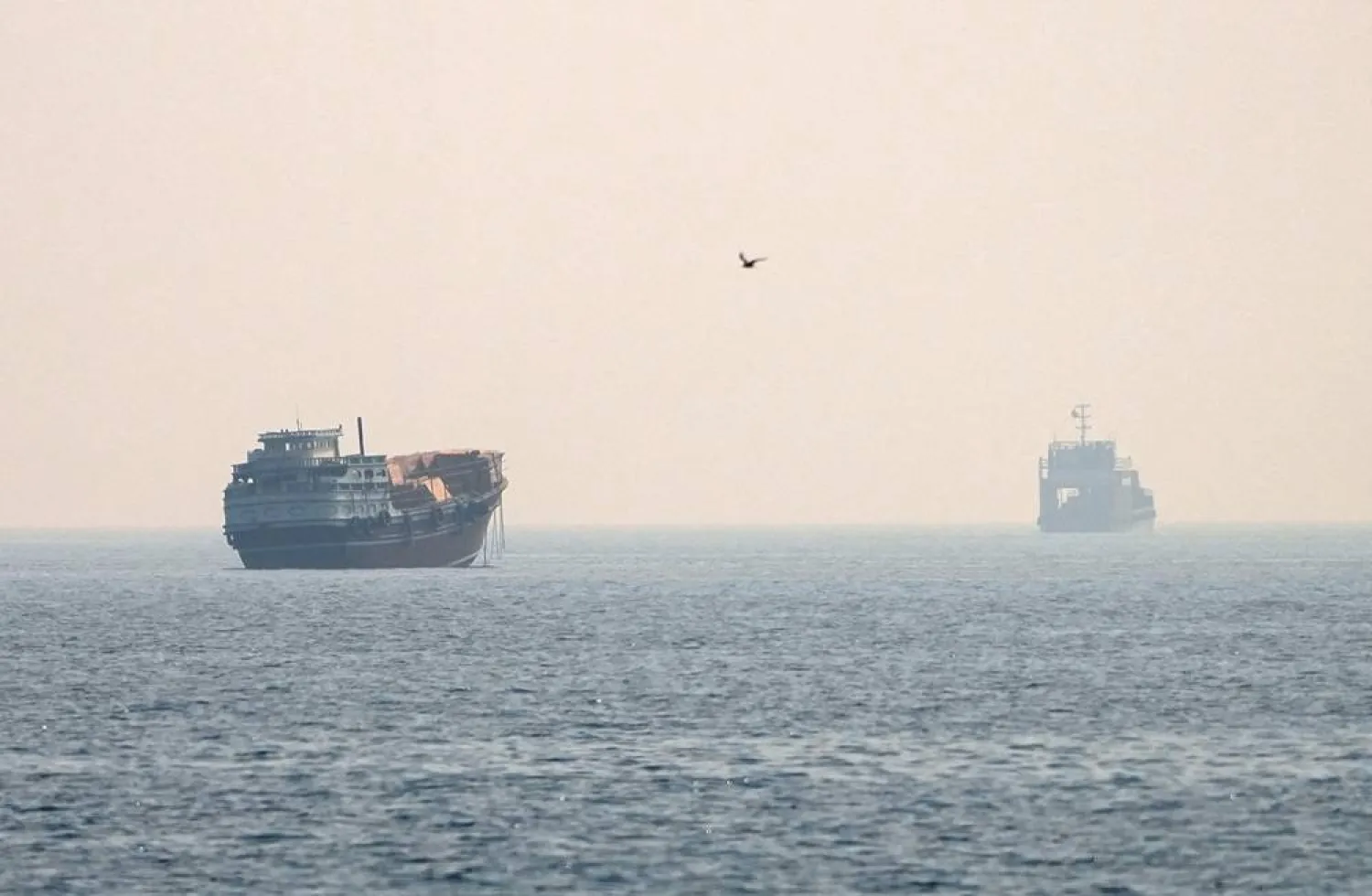
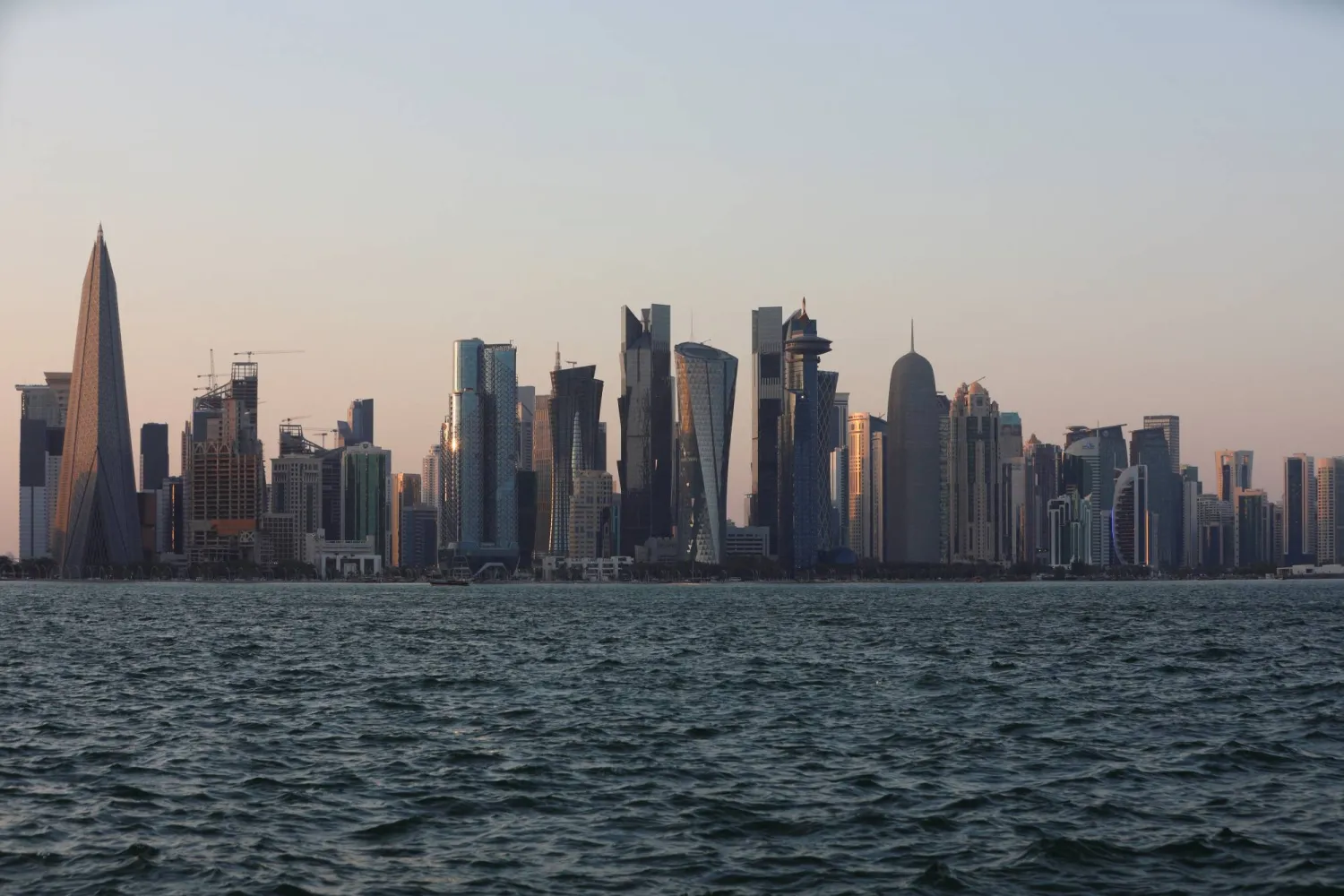
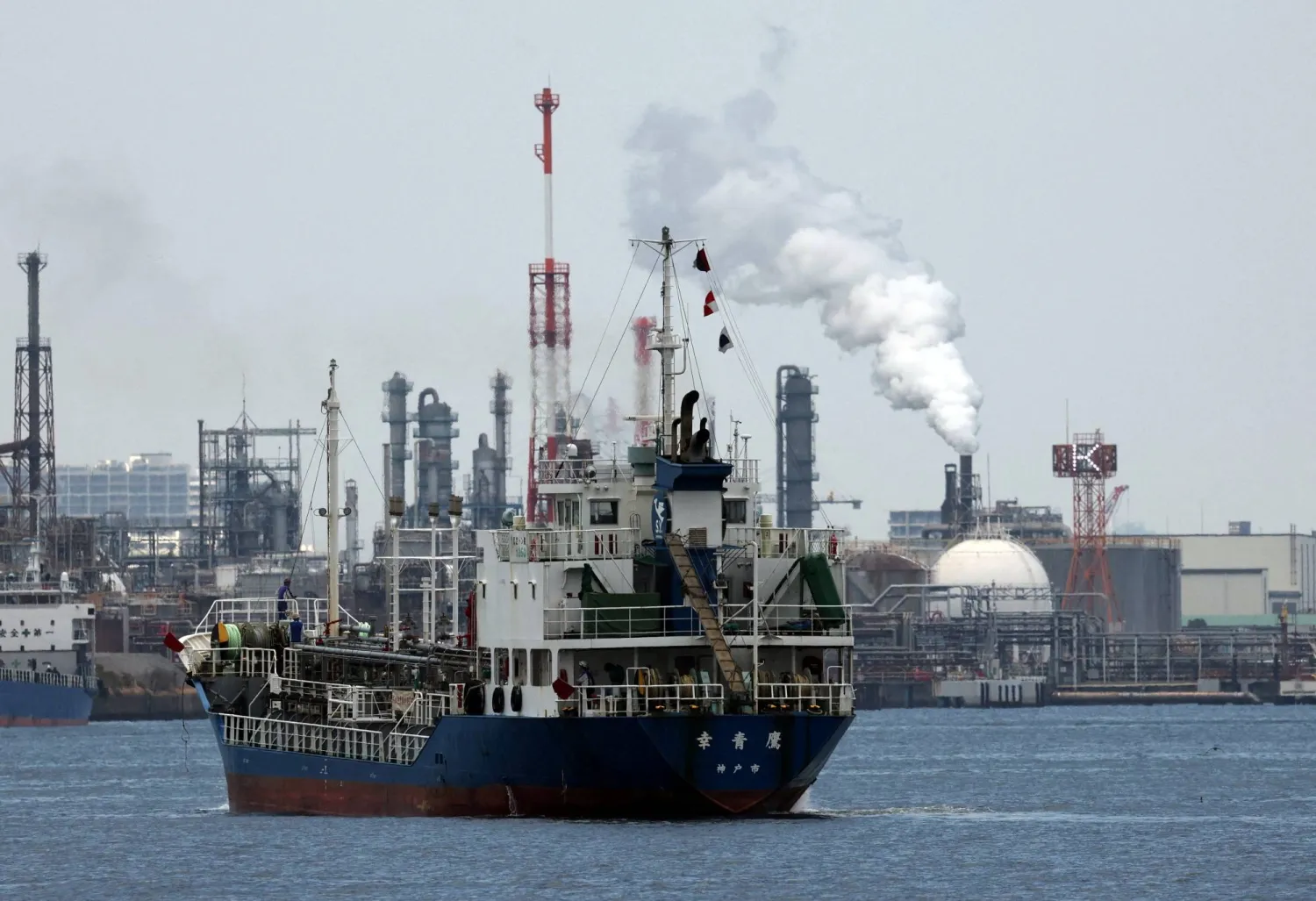
Qatar’s defense ministry said the country had been targeted by three Iranian cruise missiles. Air defenses intercepted two, while the third struck an oil tanker chartered by QatarEnergy in the country’s exclusive economic zone.
Authorities coordinated the evacuation of the vessel, which carried a crew of 21, with no casualties reported. In a related development, the United Kingdom Maritime Trade Operations reported a new security incident in Gulf waters.
According to the organization, the incident occurred 17 nautical miles north of Ras Laffan. A company security officer said the tanker was hit on its port side, causing damage above the waterline without injuries among the crew.
In a later update, the organization said the vessel had in fact been struck twice.
One impact caused a fire that was later extinguished, while a second projectile remained unexploded in the engine room, with authorities working to secure it and investigate the incident.
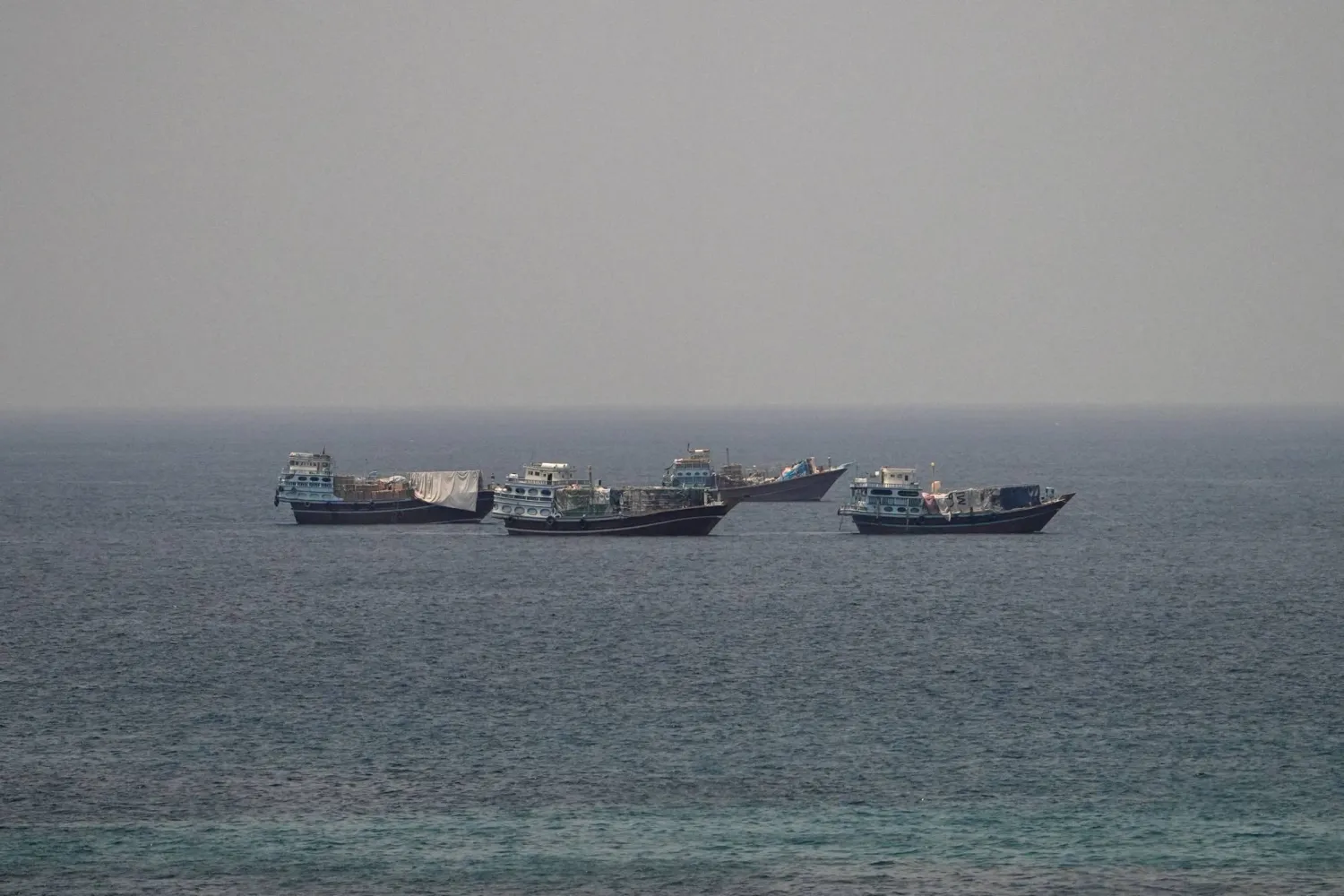
On Tuesday, Iran targeted the Kuwaiti crude oil tanker “Al-Salmi” while it was anchored off the United Arab Emirates outside Dubai port. Several vessels in the Strait of Hormuz were also attacked using armed boats, missiles and drones.