




.png?locale=en)





Alsharq Tribune-Otaify
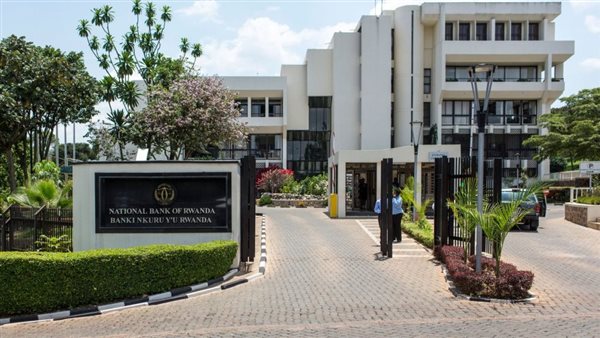
The Monetary Policy Committee of the National Bank of Rwanda on Thursday announced a raise in the central bank rate by 100 basis points to 8.25 percent to help bring inflation back to the target in the medium term.
Addressing reporters in Kigali, Rwanda's capital city, Central Bank Governor Soraya Hakuziyaremye said the increase was in response to rising inflation and increased risks to the outlook.
Hakuziyaremye said the committee's decision showed the bank's commitment to price stability, which is crucial for broader macroeconomic stability and the purchasing power of households.
In February, the central bank rate was increased by 50 basis points to 7.25 percent as part of efforts to contain inflation.
In a statement, the bank said the rate hike, "coupled with additional measures by the government to mitigate inflationary pressures, will also help bring inflation back to the target of 5 percent over the medium term."
In the first quarter of 2026, Rwanda's headline inflation rose to 9.1 percent from 7.4 percent in the fourth quarter last year, driven by increases in core, fresh food, and energy prices, according to the central bank.
More recent data from the central bank showed that inflation rose to 13 percent in April from 9.2 percent in March, moving further above the upper bound of the inflation target range of 2 to 8 percent.
The statement showed that the central bank revised the 2026 inflation outlook upward, with average inflation now projected at 13.9 percent, up from 9.4 percent forecast in February.
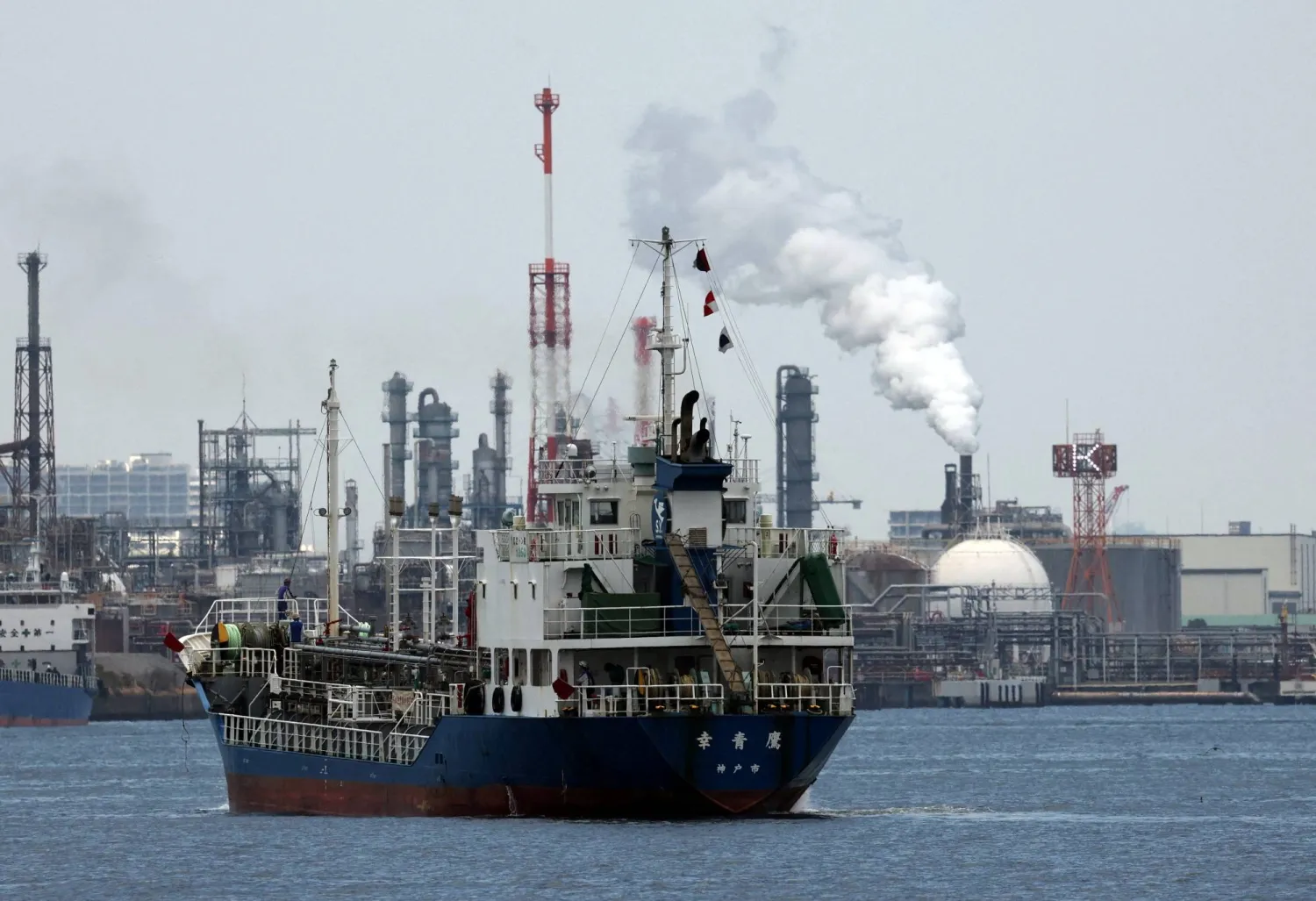
It said the change reflects both external and domestic factors, including the impact of the Middle East conflict on energy products such as fuel and gas, and higher transport costs caused by rerouting after the closure of the Strait of Hormuz.